Captain Ron shore sheet
Quick verdict
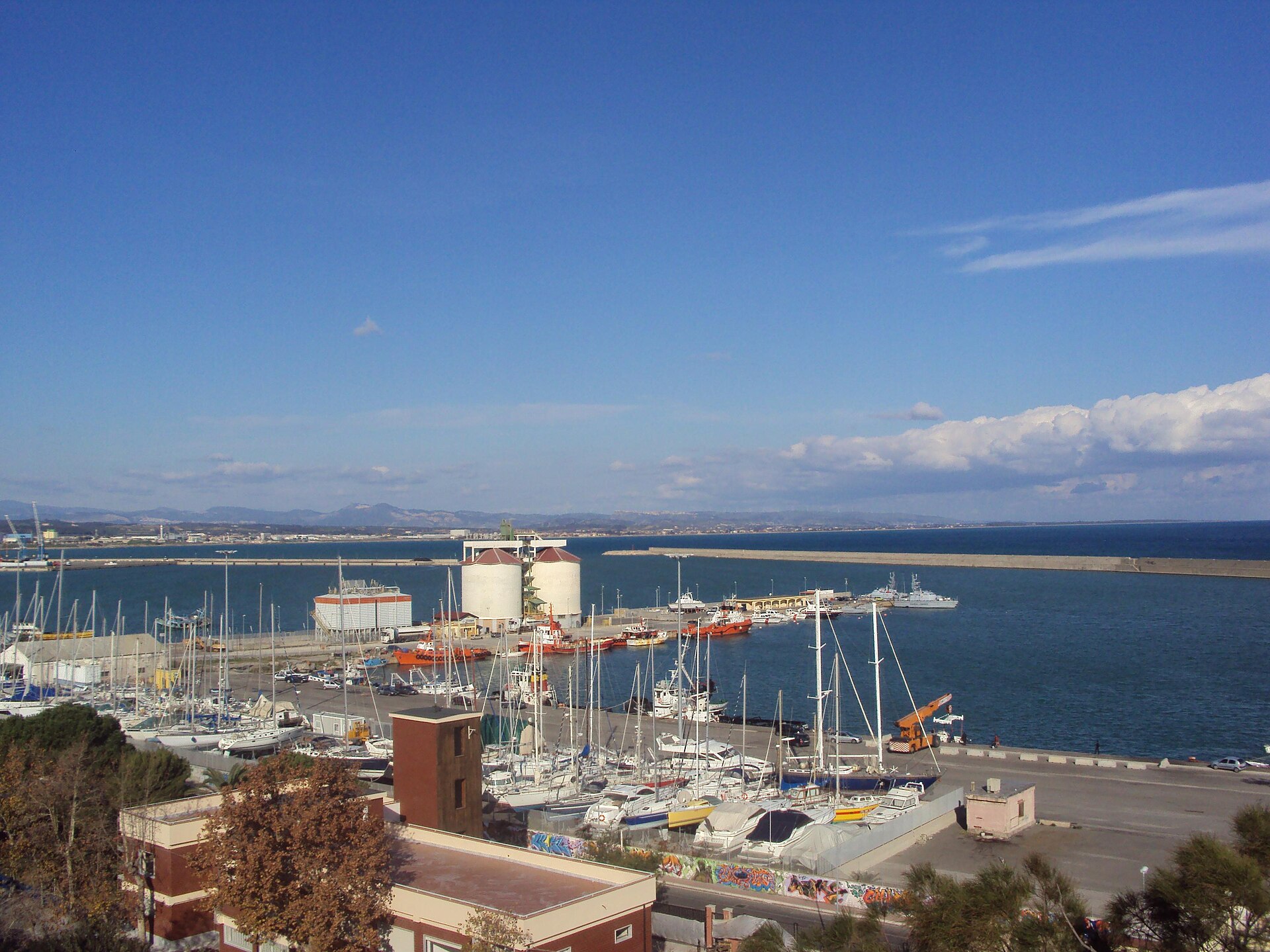
Crotone is a working Ionian port, not glossy marina theatre. For a yacht, start with Porto Vecchio and Yachting Kroton Club, but phone first because the entrance can shoal and the port's own notes warn that boats drawing over 2.5 m may be stopped from entering. Porto Nuovo is the deeper commercial/cruise side, not the cosy yacht option unless directed there.
Arrival notes: read first
Molo Foraneo, Porto Vecchio. VHF 71. Phone +39 320 6115069. Email ykcasd@gmail.com / info@ykc.it.
Published depths are around 3-5 m, but local port notes warn of shoaling at the entrance and possible entry bans over 2.5 m draft. Call before committing.
Via Molo Sanita, 2 / Moletto Sanita. Phone 0962 21170, mobile +39 320 0206418, email crotone@leganavale.it.
Berthing and useful contacts
Get ashore
- City centre and old town are close to the port area. From Porto Vecchio, most essentials should be walkable or a short taxi depending on the exact berth.
- Crotone railway station is roughly 1 km from the port area in regional notes.
- Expect normal city services: supermarkets, pharmacies, ATMs, phone shops, bars, and restaurants.
- Airport is about 15 km from the cruise-port area, but check current flights before building any clever plan around it.
What Crotone is
Crotone is ancient Kroton, an Achaean Greek colony in Magna Graecia traditionally founded around 710 BC. Pythagoras moved here around 530 BC and founded his school, so this port had maths before most crews had a reliable lunch plan. It was also famous for athletes, especially Milo of Croton, and the sanctuary of Hera Lacinia at Capo Colonna was one of the region's big sacred sites.
Best things to see
- National Archaeological Museum of Crotone: the one stop if time is tight; major local finds, especially from Hera Lacinia at Capo Colonna.
- Capo Colonna Archaeological Park: about 10 km south; lonely surviving Doric column, big sunset/history value. Taxi/scooter/car job.
- Castello di Carlo V: old fortress above town. Check opening before marching uphill like heroic idiots.
- Old town and lungomare: easy leg-stretcher after the Gulf of Taranto.
- Le Castella / Capo Rizzuto: postcard coast if staying longer or renting wheels.
Food and drink direction
Think Ionian-Calabrian: seafood, swordfish or tuna when in season, anchovies, sardines, fish pasta, grilled octopus, Calabrian chilli, pecorino crotonese, sardella, spicy salumi, and Ciro wine from nearby. Easy evening: waterfront drink, old-town dinner, early night if tomorrow is another passage day.
Crew missions
Captain Ron bottom line
Good stop. Practical harbour, old Greek bones, proper shore walk, and enough history to make the crew feel cultured while still getting fed. But call ahead for Porto Vecchio draft and entrance conditions. That 2.5 m warning is the bit with teeth.